
CW: Turning awareness into action at the Chicago Darst Center
By Emmett Gustorf '26 and Luca McGlynn '26
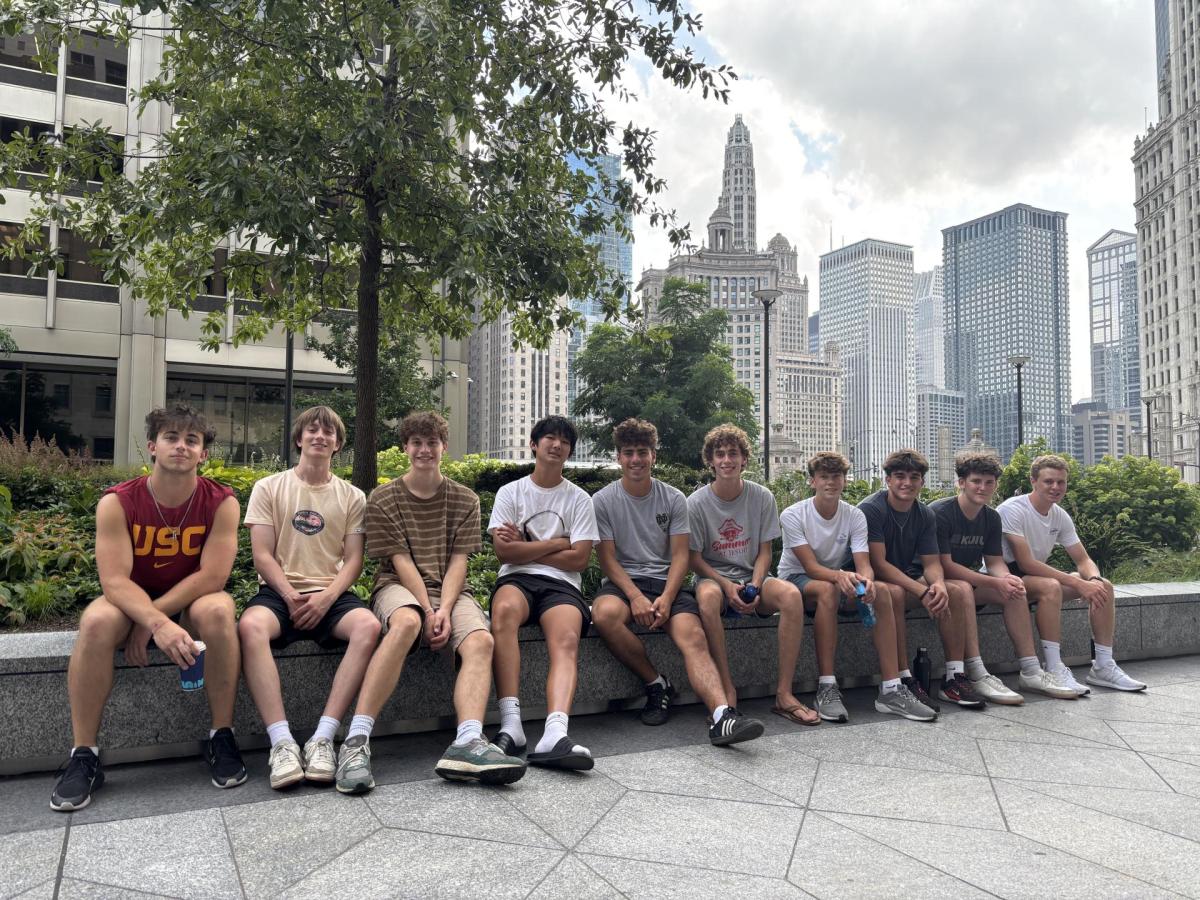
Over the summer, we had the privilege to visit the Br. Darst Center in Chicago. The organization seeks to raise awareness for social issues through spiritual retreats. When we visited, our group was exposed firsthand to the many societal injustices that plague the area.
One of these issues is food insecurity–essentially when people in an area cannot access healthy foods. Whilst working at the Saint James Food Pantry, we saw how many people were unable to feed themselves and their families.
Our entire immersion group helped gather food for each resident that walked through the pantry doors. Towards the end of our time at the pantry, Cathy–the director of Saint James–shared her own story and gratitude for our service. She told us how she once suffered from food insecurity after becoming homeless years ago, and it was because of those that were willing to share a smile and a helping hand that helped her get back on her feet.
Another issue we saw was the large problem of homelessness in the city. There are many different factors that contribute to homelessness, which were revealed to us through firsthand encounters. We spent one day of the trip visiting a men’s homeless shelter.
The shelter is a men’s only homeless shelter because men aren’t often given the resources that women and children are when dealing with homelessness. Women and children are always first in line for any government resources like food and shelter. While this makes sense, it still leaves adult men with few options.
In conversations with the owner of the shelter, we learned about many of the reasons the men there had fallen into the situations they were in. Many of them were unable to work due to health or age concerns. Many were also considered too old to be employed.
Debt is another major cause of homelessness. Almost all of the men in the shelter had some large sum of debt that was almost impossible to pay back, further ensuring them not being able to buy basic necessities such as food or housing.
These are some of the reasons why the Darst Center exists. This program understands the innate dignity in every person, and aims for its participants to reflect on the issues they encounter on their immersion.
All of us can learn from the Darst Center when it comes to tackling food insecurity and homelessness. Being aware of the issue is already a big first step, and we can continue to build on that by donating and volunteering at local food banks and homeless shelters, as we did in Chicago. To have an even greater impact, we can band together to address the root causes of these topics, by advocating for policies in our government to be approved. It may seem like a big task, but the Darst Center taught us that there’s strength in numbers, and we can replicate that here in Sacramento.